
Did you know regular car maintenance can make your vehicle last up to 50% longer? Ignoring routine checks can lead to expensive repairs and a shorter lifespan. Our company knows how vital it is to keep your vehicle in top shape.
By following essential preventive car maintenance tips, you can spot problems before they get big. This saves you time and money. We aim to give you a detailed guide on keeping your vehicle in great condition, supporting you every step.
Key Takeaways
- Regular checks can help extend your vehicle’s lifespan.
- Simple maintenance tasks can prevent costly repairs.
- A well-maintained vehicle ensures a smoother and safer ride.
- Following a car care routine can help you identify problems early.
- Proper maintenance can improve your vehicle’s overall performance.
Understanding Preventive Car Maintenance
Preventive car maintenance is all about keeping your vehicle in top shape. It stops problems before they start. This way, you avoid expensive fixes, reduce breakdowns, and keep your car running well.
What Is Preventive Maintenance?
Preventive maintenance means regular checks and tasks for your car. It includes oil changes, tire rotations, and checks on important parts like brakes and suspension. Doing these tasks helps find and fix small issues before they get big.
Importance of Regular Maintenance
Regular maintenance is key to keeping your car running long and well. Following a maintenance schedule helps avoid big repairs, saves fuel, and keeps your car performing well. Key benefits of regular maintenance include:
- Enhanced vehicle reliability
- Improved safety on the road
- Better fuel efficiency
- Reduced risk of costly repairs
Understanding preventive car maintenance helps you care for your vehicle. This way, it stays in great shape for many years.
Check Your Oil Regularly
Checking your oil regularly is a simple yet effective car care routine. It helps extend your engine’s life and avoids expensive repairs. We suggest checking your oil level monthly, or more often if you drive in harsh conditions.
Different Types of Motor Oil
There are many types of motor oil, each with its own benefits. The most common include:
- Conventional Oil: Great for most cars, conventional oil is widely used.
- Synthetic Oil: Best for extreme temperatures, perfect for tough driving conditions.
- Synthetic Blend Oil: A mix of conventional and synthetic, balancing price and performance.
- Full Synthetic Oil: Offers top performance and protection, great for high-performance cars.
How Often to Change Your Oil
How often to change your oil depends on several factors. These include the oil type, driving conditions, and the manufacturer’s advice. Here are some general tips:
- Check your vehicle’s manual for the recommended oil change interval.
- Think about your driving habits: city driving, extreme temperatures, or towing may need more frequent changes.
- Keep an eye on your oil level and add more as needed.
By following these essential car maintenance tips and keeping up with oil changes, your car will run smoothly. Regular oil checks are key to your DIY car maintenance guide. They save you time and money over time.
Inspect and Replace Filters
Filters are key to keeping your car in top shape. They keep your engine and air inside clean. We’ll talk about why engine and cabin air filters are important. We’ll also show you how to check and replace them.
Engine Air Filters
Engine air filters are vital for your car’s health. They stop dust and dirt from getting into your engine. A dirty filter can hurt your car’s performance and fuel efficiency.
To check your engine air filter, look in your car’s engine area. It’s in a box. If it’s dirty, swap it out for a new one. We suggest checking it every 15,000 to 30,000 miles.
Key signs that your engine air filter needs replacement:
- Reduced engine performance
- Decreased fuel efficiency
- Visible dirt or debris on the filter
Cabin Air Filters
Cabin air filters make your car’s air cleaner. They block dust, pollen, and other stuff that can make allergies worse. A clean filter means a healthier drive.
To check your cabin air filter, see your car’s manual. It’s often behind the glove box or under the dashboard. If it’s dirty, get a new one. We recommend checking it every 12,000 to 18,000 miles.
Benefits of a clean cabin air filter:
- Improved air quality
- Reduced allergy symptoms
- Enhanced driving comfort
Regularly checking and replacing your filters can make your car run better. It also saves you money and keeps you healthy while driving.
Maintain Your Tires
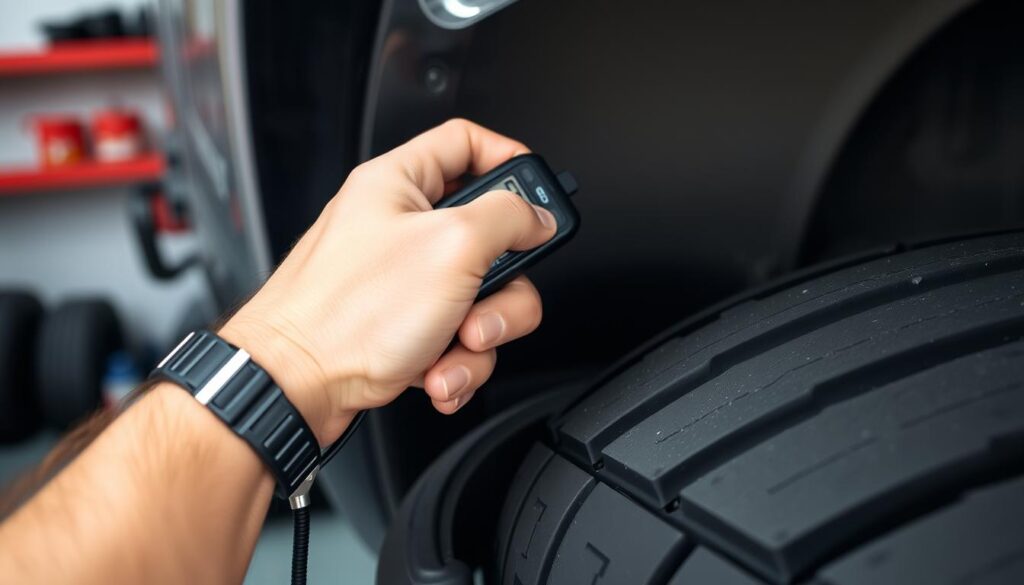
Keeping your tires in good shape is key to your car’s safety and performance. It’s not just about how your car looks. It’s about how it handles and keeps you safe on the road.
Checking Tire Pressure
Checking your tire pressure is a must. Proper tire pressure makes your car more fuel-efficient, handles better, and is safer. We suggest checking it monthly and before long drives.
- Use a reliable tire pressure gauge to get an accurate reading.
- Check the pressure when the tires are cold, as driving can heat up the tires and give a false reading.
- Refer to your vehicle’s owner’s manual or the tire information placard on the driver’s side doorjamb to find the recommended pressure.
Understanding Tread Wear
Knowing about tread wear is also important. Uneven tread wear can cause your car to handle poorly and increase the risk of a tire blowout. It’s good to check your tires often for signs of uneven wear.
Common causes of uneven tread wear include not inflating tires right, misaligned wheels, and worn-out suspension parts. Spotting and fixing these problems early can help your tires last longer and keep your car running well.
To check tread wear, try the penny test: put a penny into the tire groove with Lincoln’s head down. If you see the top of his head, your tread is too low and you need new tires.
Brake System Care
Your vehicle’s brake system is key to your safety on the road. It must be well-maintained to prevent accidents. This ensures your safety and that of your passengers.
Regular brake maintenance means checking brake pads, rotors, and fluid. Doing this helps catch problems early, before they get worse.
Signs You Need Brake Service
There are clear signs your vehicle needs brake service. Look out for:
- Squealing or grinding noises when applying the brakes
- A spongy brake pedal or increased stopping distance
- Vibrations or pulsations when braking
If you see these signs, get your brakes checked by a mechanic. Ignoring them can lead to serious safety issues.
Importance of Brake Fluid
Brake fluid is vital for your vehicle’s brakes. It helps transfer pressure from the pedal to the calipers, ensuring safe stops. Low brake fluid levels or dirty fluid can cause brake failure. So, regular checks are a must.
Always check your brake fluid levels and top them off when needed. Also, follow your vehicle’s manufacturer guidelines for brake fluid flushes and replacements.
Battery Maintenance Tips
Keeping your car’s battery in good shape is easy but very important. A well-kept battery makes sure your car starts right and your electrical systems work well.
Checking Battery Terminals
Checking your battery terminals regularly is a smart move. Corrosion can hurt your battery’s performance and leave you stuck. Here’s how to inspect your terminals:
- Turn off your engine and make sure your car is in park (automatic) or neutral (manual).
- Look for any corrosion signs, like white or greenish powder.
- If you see corrosion, mix baking soda and water. Use a brush to clean the terminals.
- Then, rinse with water and dry the terminals well.
When to Replace Your Battery
It’s important to know when to replace your battery to avoid breakdowns. Most batteries last three to five years, depending on the type and how you drive. Look out for these signs:
- Your car is over three years old, and starting the engine takes longer.
- The battery warning light on your dashboard is on.
- You’ve had to jump-start your car often.
- You see signs of wear, like swelling or leakage.
By following these tips, you can make your battery last longer. Regular checks and care can prevent the hassle of a dead battery.
Cooling System Maintenance
Your car’s cooling system is key to keeping the engine at the right temperature. It’s essential to maintain it well. A good cooling system stops overheating, which can cause expensive engine fixes.
Importance of Antifreeze
Importance of Antifreeze
Antifreeze, or coolant, is vital for your car’s cooling system. It keeps the engine from freezing in cold and raises the boiling point of the coolant. This prevents overheating. It’s important to check your antifreeze levels and condition often.
- Check antifreeze levels regularly
- Inspect antifreeze condition and color
- Replace antifreeze as recommended by your vehicle’s manufacturer
Signs of Cooling System Issues
Knowing the signs of cooling system problems can help you fix them before they damage your engine. Look out for:
- Overheating engine
- Leaks around the cooling system
- Discoloration or contamination of the coolant
By following these car care tips and tricks and keeping an eye on your cooling system, you can avoid many engine overheating issues. Regular maintenance is vital to keep your car running well and lasting longer.
Adding these practices to your preventive car maintenance tips routine can help avoid expensive repairs later.
Wiper Blades and Visibility
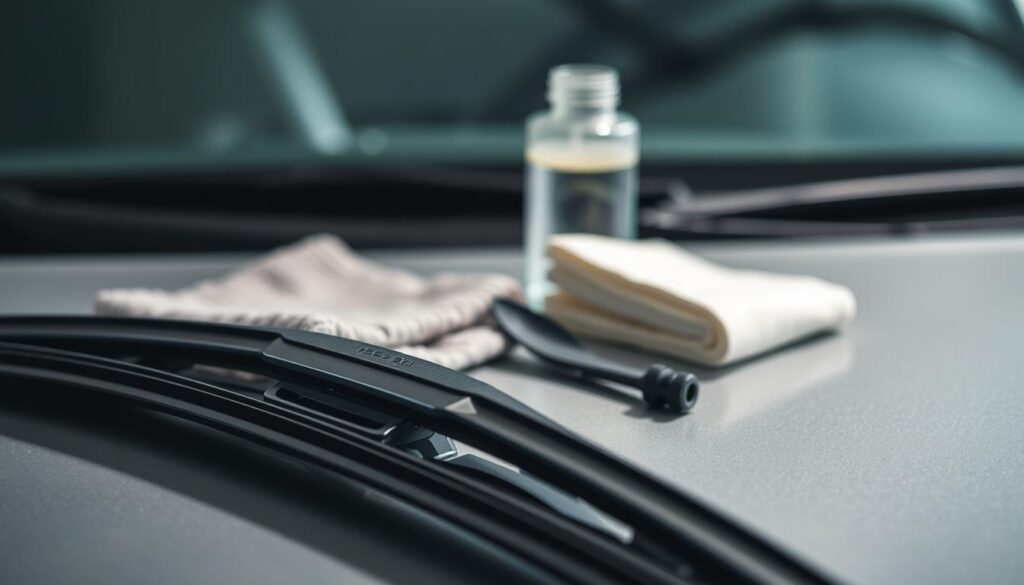
Clear visibility is key for safe driving. Your vehicle’s wiper blades are vital for this. They help keep your view clear in all weather, letting you react fast to road conditions.
Regularly checking your wiper blades is a must. They can wear out from the weather, making them less effective over time.
When to Replace Wiper Blades
Knowing when to swap out your wiper blades is important. Here are signs it’s time for a new pair:
- Streaks or smudges on the windshield
- Chattering or noise when using the wipers
- Visible cracks or damage to the blades
- Inadequate clearing of water or debris
Wiper blades usually need replacing every six to twelve months. This depends on how much you use them and the weather.
Seasonal Wiper Blade Considerations
Each season poses unique challenges for wiper blades. In winter, they face ice and snow. In summer, they deal with heat.
Seasonal tips:
- Use winter-specific wiper blades for ice and snow.
- Clean your wiper blades often to remove debris.
- Replace your wiper blades at the start of each season for best performance.
By following these tips and checking your wiper blades often, you can drive safely. Adding wiper blade care to your car maintenance checklist is a smart move. It makes driving better.
For more essential car maintenance tips and a detailed DIY car maintenance guide, keep reading. We’ll help you keep your vehicle in great shape.
Lights and Indicators
Lights and indicators are key for safe driving and seeing on the road. Make sure to check your headlights, turn signals, and brake lights often. This keeps you and others safe.
Importance of Functional Headlights
Headlights are vital for seeing the road at night or in fog. Good headlights lower accident risks. Here’s how to keep them working well:
- Regularly clean your headlights to remove dirt and debris.
- Check for any damage or cracks in the headlight lenses.
- Replace burnt-out bulbs promptly to maintain optimal visibility.
Checking Turn Signals and Brake Lights
Turn signals and brake lights are also important. They tell other drivers what you plan to do. Regular checks can spot problems early. Here’s how to check them:
- Turn on your turn signals and check that they are functioning correctly.
- Press the brake pedal and verify that your brake lights are illuminating.
- Have a friend or family member check the lights from outside the vehicle.
By following these tips, you can keep your vehicle’s lights and indicators working right. This is part of good car care.
Suspension and Steering Checks
The suspension and steering systems are key to your car’s handling and stability. Keeping them in top shape is essential for safe and comfortable driving. Regular checks help spot problems early, preventing bigger issues later.
Signs of Suspension Problems
A bad suspension can cause a bumpy ride, poor handling, and wear on other parts. Here are signs you might have suspension issues:
- Uneven tire wear: Uneven tire wear could mean suspension problems.
- Pulling to one side: If your car pulls to one side, it might be a suspension or steering issue.
- Excessive bouncing: If your car bounces a lot after hitting a bump, it’s likely your shock absorbers or struts need replacing.
Ignoring these signs can cause bigger safety issues and cost more to fix.
Maintaining Power Steering Fluid
Power steering fluid is key for smooth steering. Here’s how to keep it right:
- Check the fluid level regularly: Make sure it’s at the right level.
- Use the correct type of fluid: Check your car’s manual for the right power steering fluid.
- Look for signs of leaks: Check under your car for power steering fluid leaks.
Keeping the power steering fluid up can prevent steering problems and make driving smoother.
By following these tips, you can keep your car’s suspension and steering in great shape. This improves your driving experience and keeps you safe on the road.
Regular Fluid Checks
Checking your car’s fluids regularly is a simple yet effective way to maintain its overall health. Regular fluid checks can help identify issues before they become major problems. This saves you time and money in the long run.
There are several key fluids to check, including transmission fluid and power steering fluid. Let’s dive into the importance of each and how to check them.
Transmission Fluid Levels
Transmission fluid is essential for your vehicle’s transmission to work smoothly. It lubricates the moving parts, helps cool the transmission, and facilitates power transmission. Low or dirty transmission fluid can cause problems like slipping, hesitation, or even transmission failure.
- Check your transmission fluid level regularly, ideally every time you fill up with gas.
- Ensure the level is at the recommended level, as specified in your owner’s manual.
- Look for signs of contamination or degradation, such as dark or dirty fluid.
If you’re unsure about how to check your transmission fluid or if you notice any issues, consult your owner’s manual or visit a professional mechanic.
Importance of Power Steering Fluid
Power steering fluid is another critical component of your vehicle’s maintenance. It helps to lubricate the power steering system, making it easier to steer your car. Low power steering fluid levels can lead to stiff steering, noise, or even damage to the power steering pump.
- Check your power steering fluid level regularly, following the manufacturer’s recommended schedule.
- Use the correct type of power steering fluid, as specified in your owner’s manual.
- If you notice any leaks or contamination, have your power steering system inspected by a professional.
By following these essential car maintenance tips and incorporating them into your DIY car maintenance guide, you’ll be able to keep your vehicle running smoothly and prevent costly repairs. Remember to include fluid checks in your car maintenance checklist to ensure your vehicle’s longevity.
Following the Manufacturer’s Schedule
To keep your vehicle in top shape, following the manufacturer’s maintenance schedule is key. This schedule helps your car run smoothly and prevents big problems later. It also saves you money on repairs.
How to Access Your Maintenance Manual
Your car’s maintenance manual is a detailed guide. It shows you when to do maintenance. You can find a physical copy in your glove box or check the manufacturer’s website for a digital one.
Here’s how to get your maintenance manual:
- Check your glove compartment for a physical copy.
- Visit the manufacturer’s website and search for your vehicle’s make and model.
- Look for the “Owner’s Manual” or “Maintenance Schedule” section.
- Download or print the manual for future reference.
Understanding Maintenance Intervals
Maintenance intervals are specific times or miles for certain tasks. Knowing these intervals is important for your car’s health.
Here are some key maintenance intervals to remember:
- Oil Changes: Recommended every 5,000 to 7,500 miles.
- Tire Rotations: Suggested every 6,000 to 8,000 miles.
- Brake Pad Replacements: Depends on driving, but usually every 30,000 to 50,000 miles.
By sticking to the manufacturer’s schedule and knowing the intervals, you keep your car running well. This boosts its life and performance.
Conclusion: Keep Your Vehicle Healthy
Keeping your car in good shape is key for its long life and performance. By following the tips in this guide, you can avoid problems and make your car run better. This also keeps you safe while driving.
Key Takeaways
We talked about important things like regular oil changes and checking filters. We also mentioned keeping your tires and brakes in good condition. These essential car maintenance tips help your car stay in great shape.
Benefits of Regular Maintenance
Regular care saves you money and makes your car run better. By following preventive car maintenance tips and using car care tips and tricks, you get a smoother ride. You’ll also use less fuel and stay safer.
We’re here to help you keep your car running well. We give you the knowledge and tools you need for a healthy vehicle.